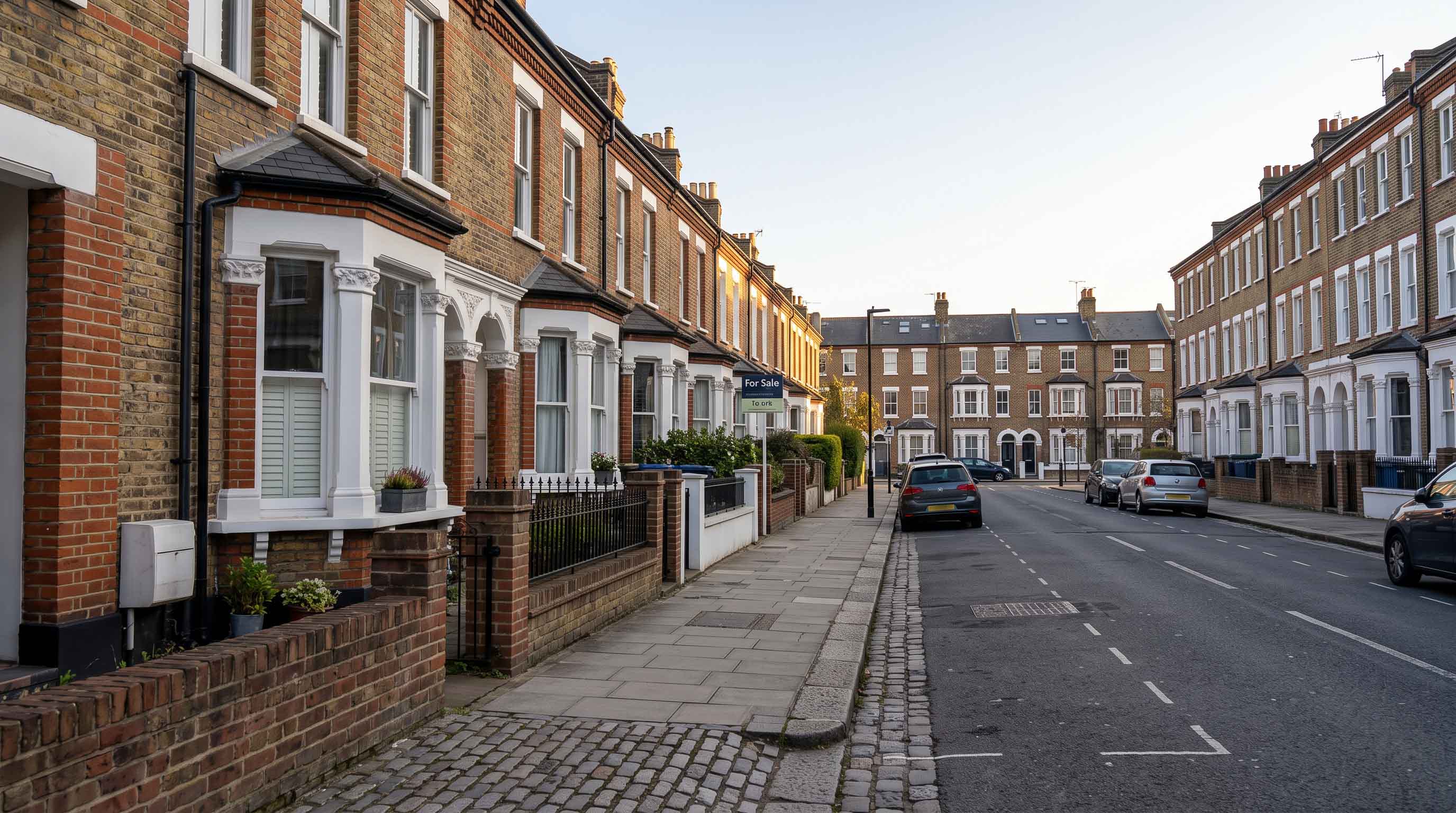
Deciding between purchasing a home and renting in London requires weighing upfront capital requirements, mortgage interest rates, statutory taxes, and relocation flexibility. Evaluated against an entry-level London property priced at £500,000 (Zones 2–4), here is the financial breakdown for 2026.
1. Homeownership Initial Capital & Mortgage Costs (£500,000 Baseline)
Down Payment (15%–20% Deposit): £75,000 — £100,000
Stamp Duty Land Tax (SDLT): Concessions apply for qualifying First-Time Buyers; standard moves incur progressive rates (~£12,500 — £15,000).
Conveyancing, Valuation & Legal Fees: £2,000 — £3,500.
Monthly Mortgage Repayment (4.2% APR, 25-Year Term): ~£2,150 — £2,300 / month, plus service charges/ground rent of £150 — £300 / month.
2. Rental Outgoings & Liquidity Advantages
Monthly Rent (Zone 2–3, 1–2 Bed Flat): £1,950 — £2,450 / month.
Security Deposit: Capped at 5 weeks' rent (~£2,400).
Capital Liquidity: Unlocks investment flexibility into diversified portfolios with zero structural maintenance liabilities.
3. Decision Metric: Break-Even Horizon
Under 5 Years: Renting minimizes exposure to transaction friction costs (SDLT, broker and solicitor fees) and interest weighting during early mortgage amortization.
5+ Years: Buying builds home equity, hedges against rental inflation, and captures London's long-term residential capital appreciation.
Buying vs. Renting in London 2026
Buying vs. Renting in London 2026